Turn Concepts into Reality
The ever increasing demand for high quality product design places real pressure on designers to visualise their concepts quickly, accurately and above all cost-effectively.
The Roland range of digital workbench tools and 3D scanning technology enable a wide range of materials to be modelled and a concept to be proven in a material before committing to a full production version. By inexpensively turning concepts into three-dimensional prototypes our range enables multiple concept iterations to be modelled quickly and in a variety of materials.
By keeping the process in-house you are able to produce tangible prototypes to test ergonomics, fit, form, function and pattern-making, with the obvious benefits of eliminating costly outsourcing and maintaining the security of proprietary concepts - all of which makes perfect business sense.
Rapid Prototyping Made Easy
Many product designers and engineers who are researching additive RP systems as a way to test form, fit and function of their prototypes may be unaware that there is a better, cheaper, faster solution. Roland subtractive RP systems (SRP™) produce form models faster than any 3D printer on the market and easier than any other CNC mill on the market. That’s because Roland offers a complete software/hardware solution that combines the ease of use of 3D printers with the benefits of CNC-machined parts.
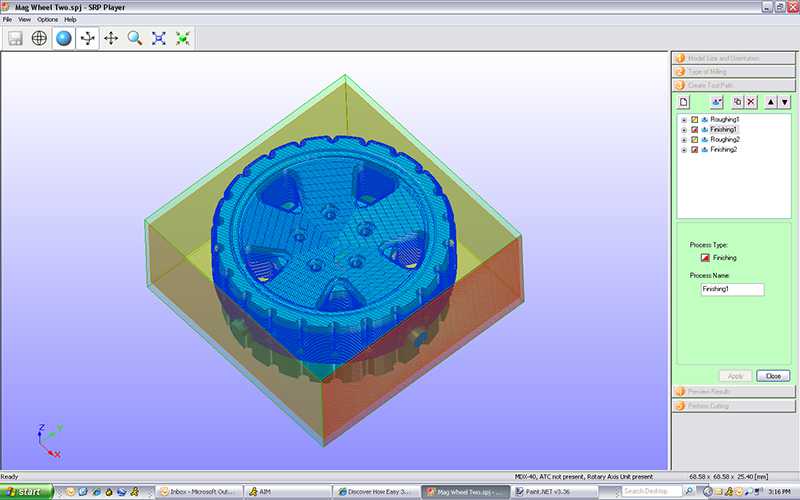
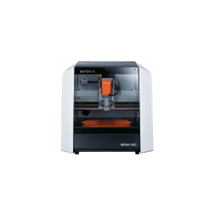
MDX-40A and MDX-540 series milling machines cost significantly less than 3D printers while producing precision prototypes out of a wider variety of non-proprietary materials. A larger selection of materials makes it easier to create prototypes, including UV resistance, bending strength, surface hardness and electrical conductivity. This is particularly important for biomedical and food processing products, where biocompatibility and chemically inert properties are critical. Roland SRP solutions come with SRP Player, powerful, easy to use CAM software that delivers the speed, tight tolerances and exceptionally smooth surface finishes required for prototyping and customised rapid manufacturing applications.
Functional Prototypes
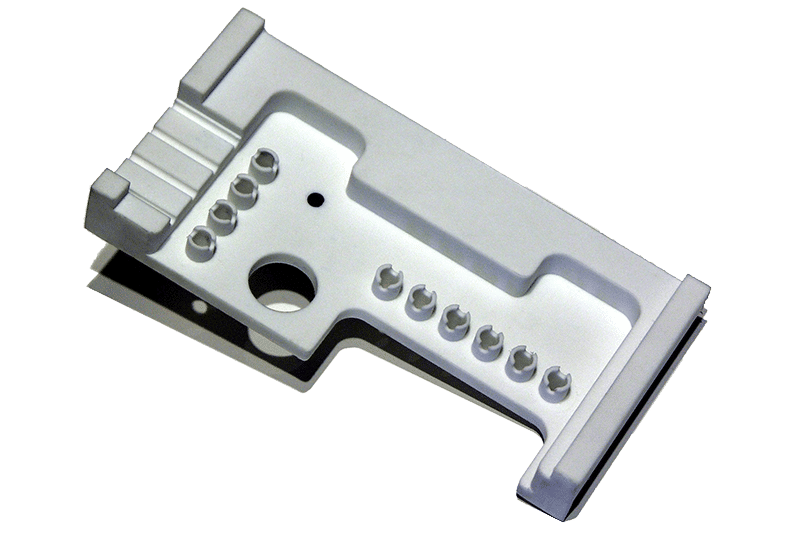
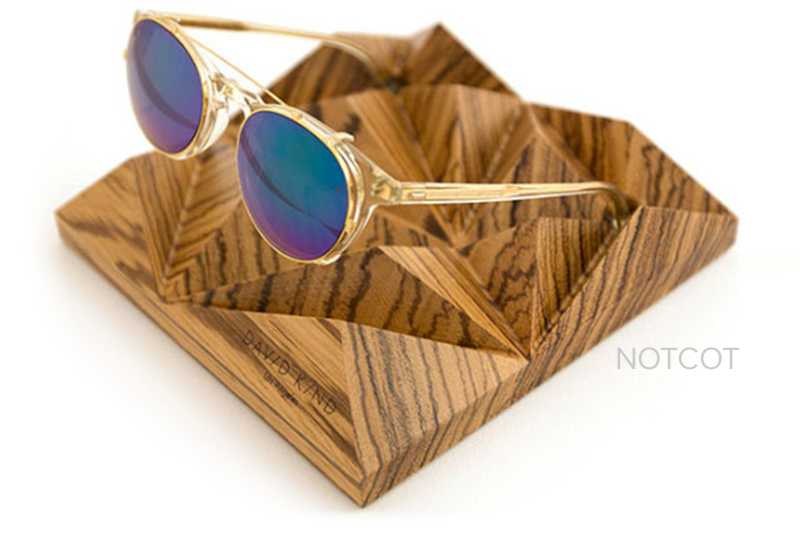
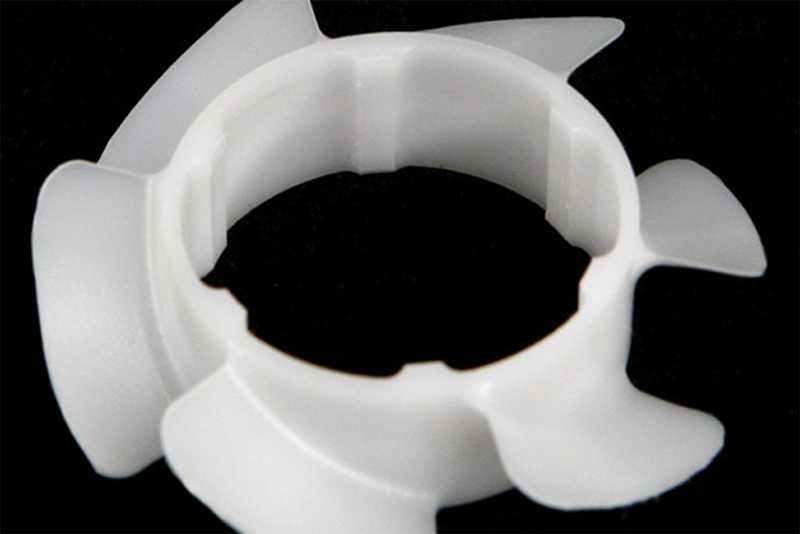
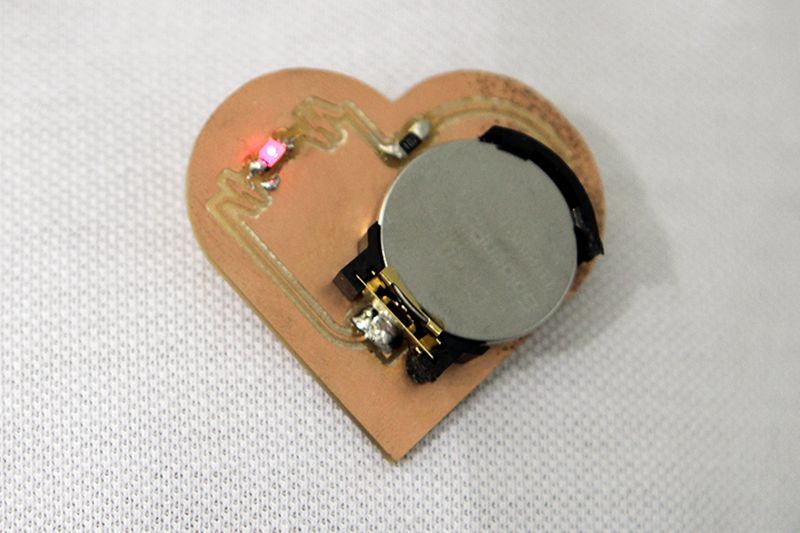
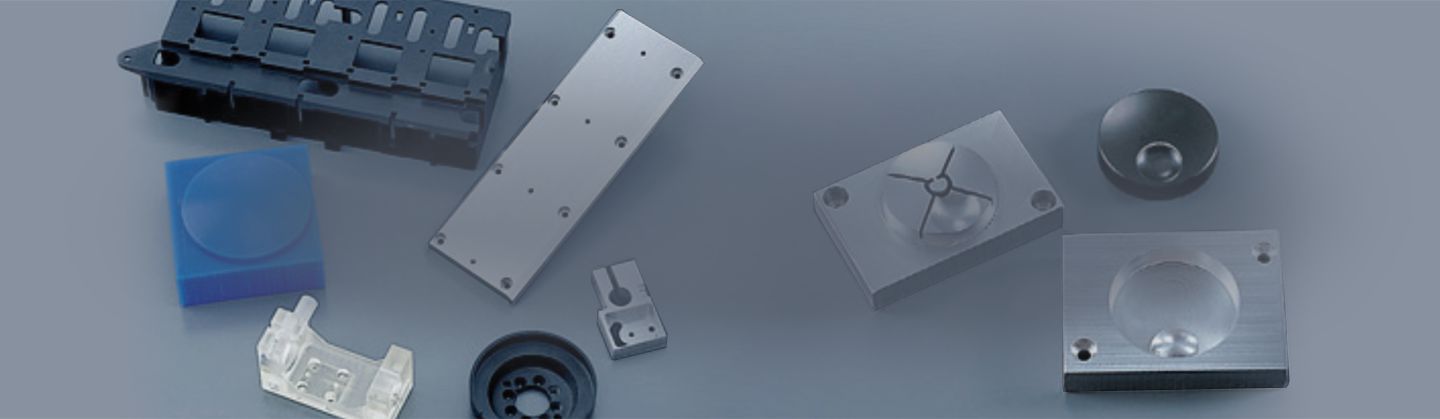
Mill functional prototypes using a wide range of materials that additive systems do not support. Users can choose from popular engineered plastics such as ABS, Acetal and Nylon, as well as acrylic and polycarbonate for transparent parts and a variety of woods and metals including aluminium, brass and copper. Compared to additive RP systems, Roland desktop devices produce functional prototypes that are better for structural, thermal and electrical testing.
The ever increasing demand for high quality product design places real pressure on designers to visualise their concepts quickly, accurately and above all cost-effectively.
The Roland range of digital workbench tools and 3D scanning technology enable a wide range of materials to be modelled and a concept to be proven in a material before committing to a full production version. By inexpensively turning concepts into three-dimensional prototypes our range enables multiple concept iterations to be modelled quickly and in a variety of materials.
By keeping the process in-house you are able to produce tangible prototypes to test ergonomics, fit, form, function and pattern-making, with the obvious benefits of eliminating costly outsourcing and maintaining the security of proprietary concepts - all of which makes perfect business sense.
Rapid Prototyping Made Easy
Many product designers and engineers who are researching additive RP systems as a way to test form, fit and function of their prototypes may be unaware that there is a better, cheaper, faster solution. Roland subtractive RP systems (SRP™) produce form models faster than any 3D printer on the market and easier than any other CNC mill on the market. That’s because Roland offers a complete software/hardware solution that combines the ease of use of 3D printers with the benefits of CNC-machined parts.
MDX-40A and MDX-540 series milling machines cost significantly less than 3D printers while producing precision prototypes out of a wider variety of non-proprietary materials. A larger selection of materials makes it easier to create prototypes, including UV resistance, bending strength, surface hardness and electrical conductivity. This is particularly important for biomedical and food processing products, where biocompatibility and chemically inert properties are critical. Roland SRP solutions come with SRP Player, powerful, easy to use CAM software that delivers the speed, tight tolerances and exceptionally smooth surface finishes required for prototyping and customised rapid manufacturing applications.
Functional Prototypes
Mill functional prototypes using a wide range of materials that additive systems do not support. Users can choose from popular engineered plastics such as ABS, Acetal and Nylon, as well as acrylic and polycarbonate for transparent parts and a variety of woods and metals including aluminium, brass and copper. Compared to additive RP systems, Roland desktop devices produce functional prototypes that are better for structural, thermal and electrical testing.
| This catalog has no sub-catalogs. |
Related Products
-
Modela MDX-540 Milling Machine
Quickly produce functional prototypes, parts and molds with this powerful Subtractive Rapid Prototyping machine.
-
Modela MDX-40A Milling Machine
Unbeatable value to produce prototypes from a wide variety of materials with great precision.
-
MDX-20 Scanning - Milling Machine
Ideal for product design tasks, such as reverse modeling, rapid prototyping, jewellery model making, and small lot production.
-
LPX-600 3D Laser Scanner
Quickly and accuratly create digital data from an object for 3D CAD/CG applications at the touch of a button.
-
SRP Player Pro
Roland SRP Player Pro is ideal for all rapid prototyping and custom rapid manufacturing applications.
-
iModela Desktop Milling Machine
A completely new digital craft tool that allows you to apply texture, form and detail to a world of creative projects.
To meet this increasing need for productivity, over 50 dedicated Roland DG employees have been working intensively to develop a printer that would meet the demands voiced by thousands of the company’s loyal customers.
Join the conversation